
تلفن
041-34461030
ساعات کاری
شنبه تا پنج شنبه از ساعت 9 تا 18
تلفن
ساعات کاری
With deployment flexibility and a highly scalable solution, SCM helps organizations enhance information protection and operational effectivity. Cryptographic keys are important in securing sensitive knowledge and guaranteeing secure communications within an organization. In specific, SSH keys and PGP keys are widely used for safe authentication, distant access, and knowledge encryption. These keys enable safe information transmission, shield consumer credentials, and authenticate devices in the network. Given their critical position, efficient administration of SSH and PGP keys is important for an organization’s overall safety and compliance posture. As key volume will increase, the need for strategic, automated key management turns into much more essential.
Quarterly key rotation is more and more frequent, but enterprise-specific key rotation insurance policies and schedules could finally decide expiration dates. Automation can improve this effort, avoiding the potential for expired keys to remain in use. Achieve insights to arrange and reply to cyberattacks with greater velocity and effectiveness with the IBM X-Force® Risk Intelligence Index. The global average cost of a data breach reached USD 4.99M whereas AI-driven assaults elevated 56%. Whether Or Not you’re a builder, defender, business chief or simply wish to keep safe in a connected world, you will discover well timed updates and timeless ideas in a lively, accessible format.

Secrets management instruments are specialized software program options designed to mitigate these risks https://alcitynews.com/how-to-keep-your-software-secure-with-devsecops-in-2024.html. They securely store, handle and control access to sensitive information, similar to database passwords, API keys, tokens and other credentials. If encryption keys are stolen or mishandled, unauthorized users can use the keys to entry sensitive data.
Defend data everywhere—discover, classify, monitor and secure sensitive data throughout your surroundings. Entry this Gartner guide to discover ways to handle the complete AI stock and secure your AI workloads with guardrails. It additionally exhibits the way to scale back threat and manage the governance process to realize AI belief for all AI use cases in your organization. Open-source instruments can profit organizations that require excessive flexibility, want to keep away from vendor lock-in or must guarantee transparent security practices. Many KMS choices additionally function “deliver your personal key,” or “BYOK.” This flexible possibility allows companies to keep up control over their keys even when using third-party cloud companies.
Cloud service providers incessantly provide key administration companies (KMS) to help organizations securely manage their encryption keys within the cloud. Encryption key administration consists of several stages, each critical to the security and effectiveness of encryption methods. These phases type the key administration lifecycle, which covers the whole journey of a cryptographic key from its creation to its eventual destruction. For both encryption methods, proper key administration is important for shielding data and maintaining the integrity of encryption techniques. They are additionally crucial for digital signatures, authentication, and knowledge integrity verification. Limiting their perceived position can lead to ignored security necessities in different crucial areas.

For asymmetric keys this lifecycle is managed by way of PKI — the certificates, certificates authorities and revocation mechanisms that bind keys to identities and govern their validity. Certificate lifecycle management automates the method at scale, making certain certificates and the keys they carry are renewed earlier than expiry, revoked when compromised, and ruled persistently throughout the property. An encryption secret is the secret parameter that controls an encryption algorithm’s behaviour. The similar algorithm applied with different keys produces completely different ciphertext, even from similar plaintext. Hardware security modules (HSMs) promote the safe administration and storage of cryptographic keys. These can take many varieties and will contain bodily gadgets, network-attached gadgets, and even chip-based modules.
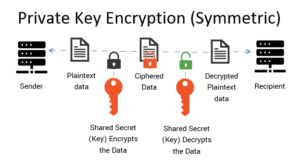
This part examines numerous vulnerabilities and risks posed by weak cryptographic keys and supplies steering on mitigation strategies to assist strengthen your cryptographic systems to guard against these threats. CSA’s Cloud Key Management Foundations course relies on our cloud key management analysis initiatives and associated artifacts. Proper technology uses hardware random quantity generators or well-seeded cryptographic RNGs. Hardware Security Modules (HSMs) handle cryptographic operations within a secure hardware boundary, making certain that keys never leave the protected memory. For instance, hash capabilities are integral to digital signatures, where they help verify the authenticity of recordsdata.
Key management often performs an necessary role in many of the requirements that help organizations meet these rules, including the extremely regarded NIST requirements. The Internet of Things (IoT) presents key administration challenges due to the massive variety of gadgets and their restricted computing energy. In DevOps, applications are repeatedly developed, examined and deployed, typically at a fast tempo. This quick improvement cycle can introduce security vulnerabilities and pose challenges for information protection. Encryption techniques use two basically different approaches to key administration, each suited to different functions. Mechanisms that allow licensed entities to update and retrieve the keys stored in the operational reminiscence.
